Eating Disorders May Damage Teeth
Category: General | Published: 08 December 2016 12:12
 People with eating disorders are often in denial and will not come out openly about the problem. Eating disorders therefore bring about adverse outcomes to your dental health.
Key takeaways:
- Eating disorders can cause severe and irreversible damage in the mouth.
- Highly corrosive stomach contents in vomit will cause erosion of tooth enamel which leads to sensitive and brittle teeth and makes them vulnerable to decay.
- Failure to get the required nutrients such as iron and vitamin B will lead to canker sores and bad breath
Read the full story here
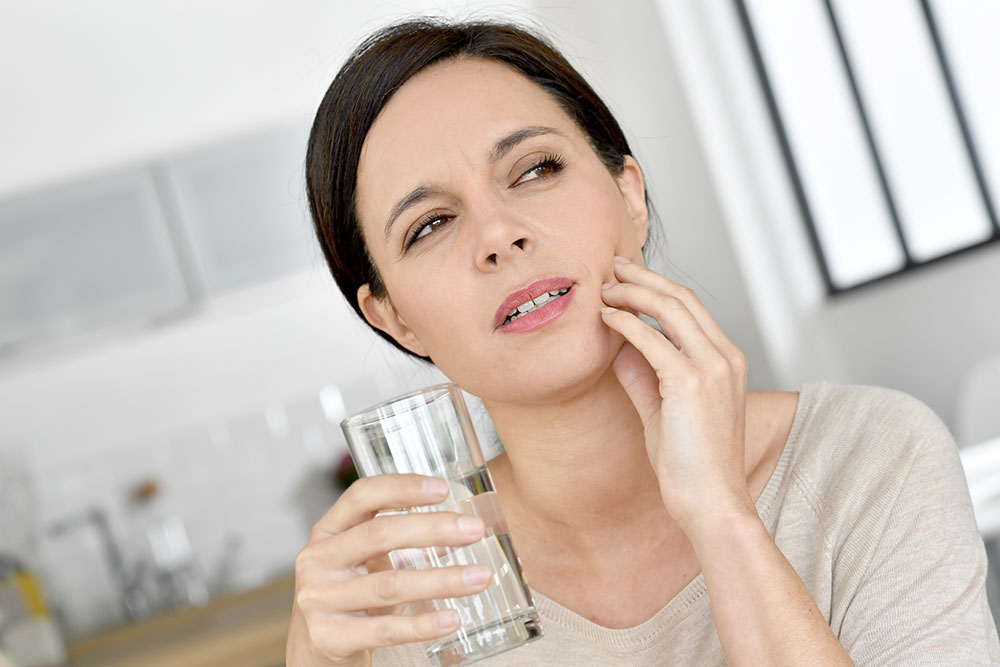 A toothache can be debilitating. Rather than become miserable, there are ways to ease the pain.
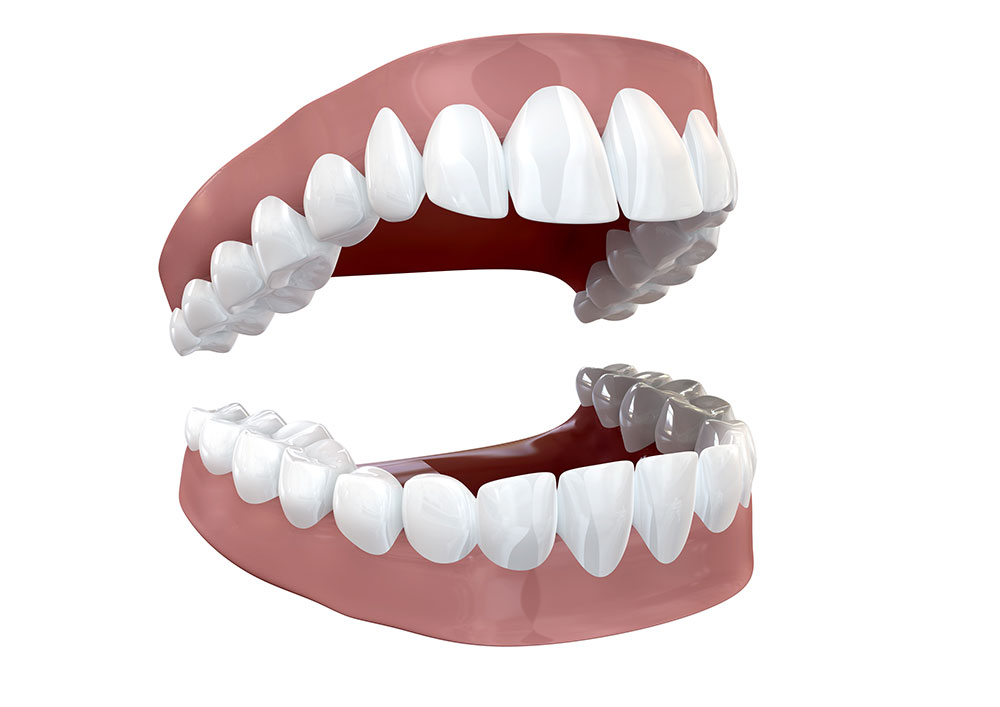 You may have wondered why your teeth are different from each other. Each tooth in the mouth plays a unique role when eating.
 Whiter and straighter teeth are very much part of anti-ageing procedures. This is a procedure that people desire to have to get that perfect smile.
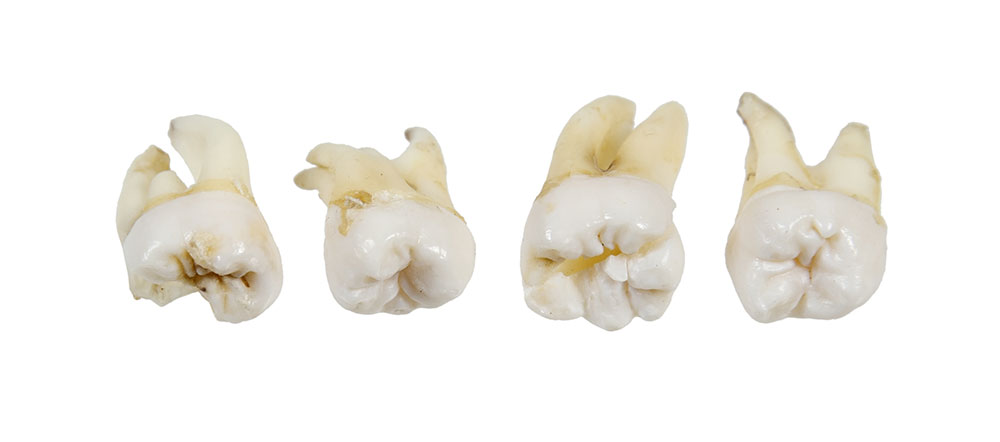 Baby teeth require great care to keep them strong and healthy. The first baby teeth calls for a visit to the dentist.
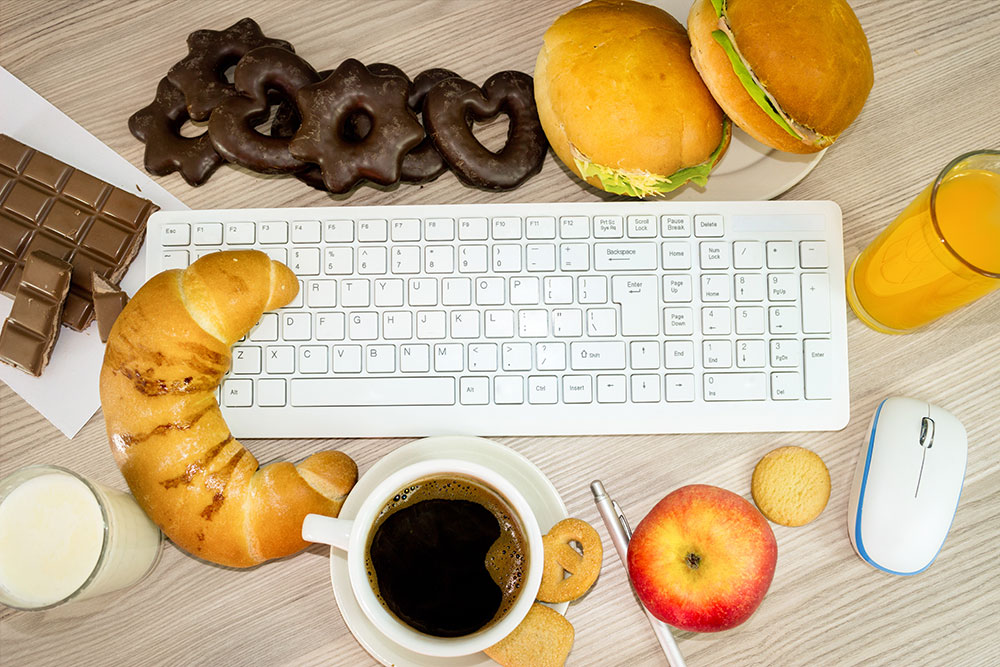 Change your toothbrush regularly to ensure that you keep teeth and gums healthy. Brushing alone will not protect the teeth; it should be coupled with healthy habits.
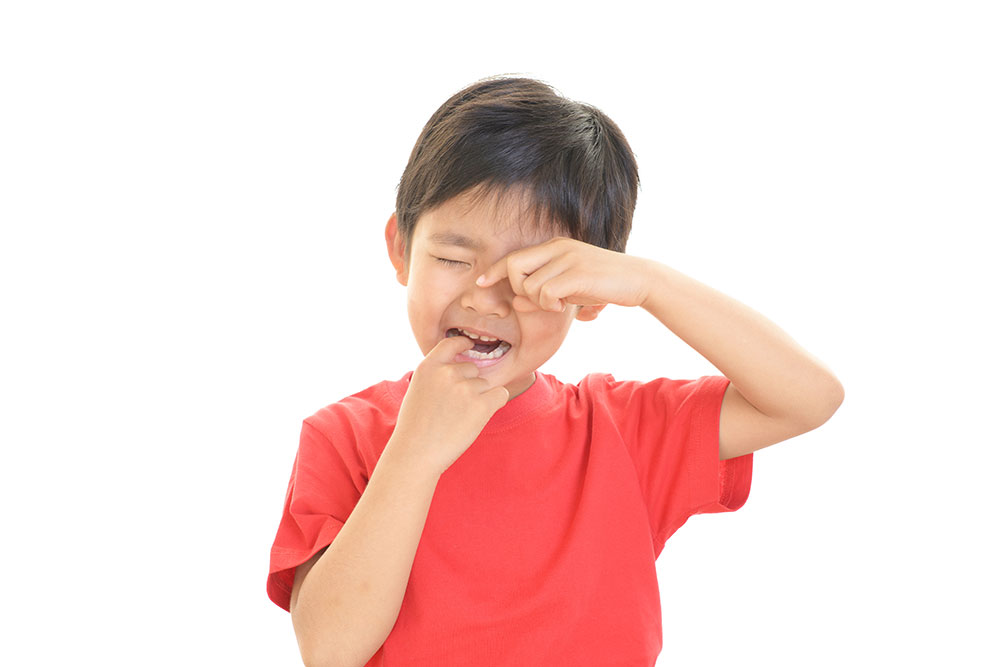 Children who do not have dental sealants are at a three times greater risk of cavities compared to those with sealants. In the ideal situation, all children should get dental sealants.
 There is a close connection between oral health and the risk of pneumonia that has been widely documented. Regular dental cleaning by your dentist will help reduce the risk of pneumonia.
 There are long-term benefits of storing away baby teeth, according to the National Institute of Dental and Craniofacial Research. Baby teeth are the most valuable source of stem cells.
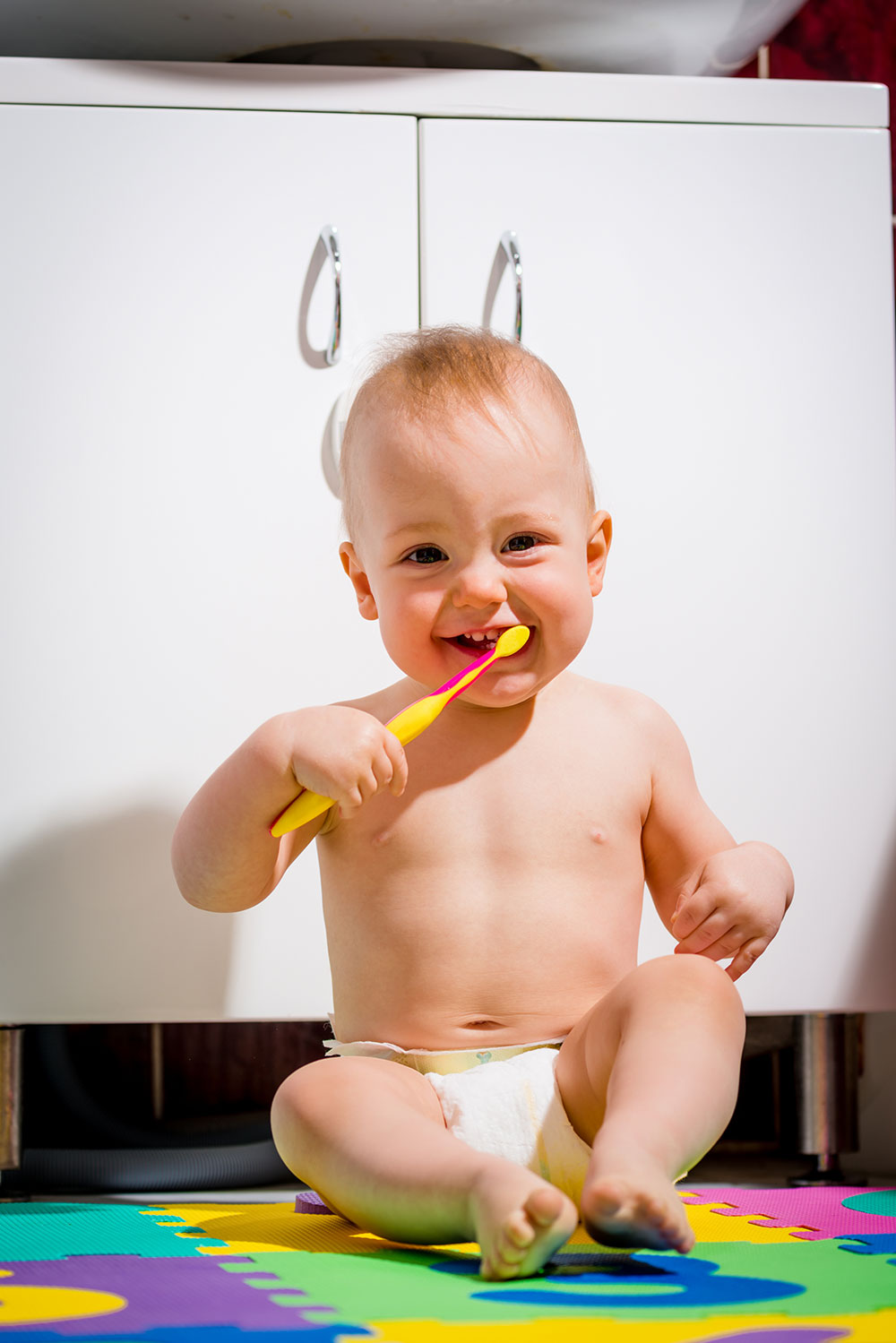 Cleaning your toddler's teeth requires more than a piece of cloth. Ensure that a kids toothbrush is used and teeth are brushed last thing before bedtime.