Are you afraid of the dentist?
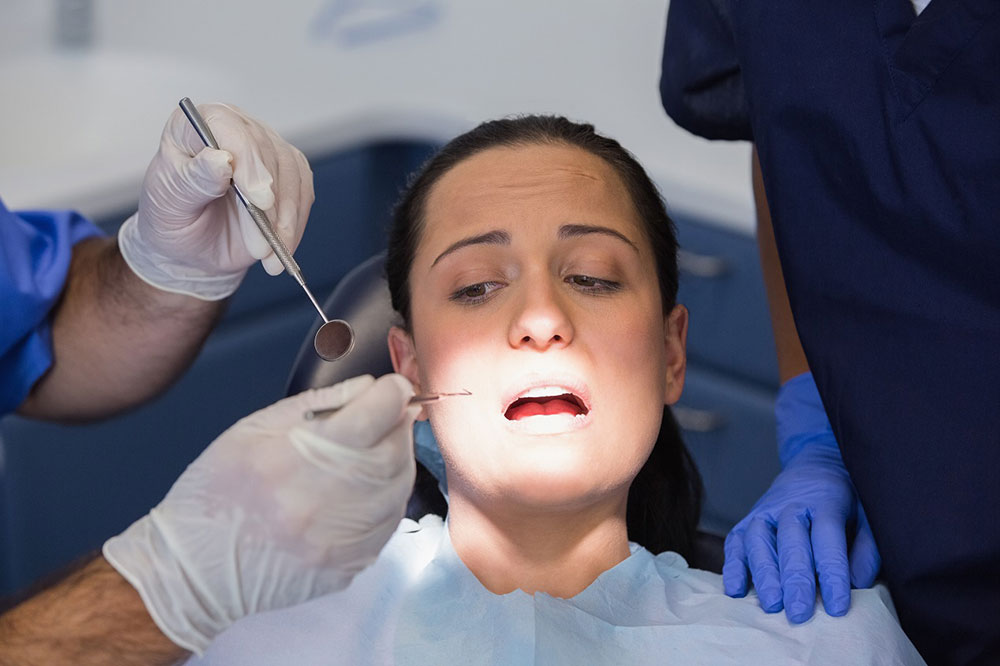 A beautiful smile begins with healthy teeth and gums but for some people this can be difficult to maintain. Around 10-20% of adults in America have a significant fear of dental treatment. Researchers have been investigating the reasons around this fear and are looking at ways to improve dental care.
Luckily, there are many things dentists can do to help terrified patients, such as cultivating a gentle bedside manner and keeping frightening-looking instruments out of sight.
Key takeaways
- The fear of pain can be inherited
- Poor childhood experiences at the dentist may influence fear as an adult
- Sight of dental instruments and noise of the drill can worsen fear
If you suffer anxiety or fear at the thought of visiting a dentist try to locate one with a gentle manner and pleasant environment. Also pay attention to your oral health routine to minimise the amount of dental treatment needed.
"Going to the dentist might be unnerving, but sound oral hygiene practices can help you keep this ordeal to the minimum."
Full article:
http://www.naturalnews.com/2017-03-27-scared-of-the-dentist-scientists-fear-genetic.html
 In order to maintain healthy teeth and a white smile, regular trips to the dentist may not always be enough. Those who sleep for only a few hours each night are at a much higher risk of developing gingivitis (gum disease) over time. It is therefore crucial to understand the important role that sleep plays in regards to oral hygiene. Let us take a quick look at what researchers have uncovered and how these findings can be applied to our daily lives.
 Nail biting is a cause of poor dental and general health. Reasons, why people bite on their nails include stress, anxiety and not using the nail cutter. Unfortunately, victims of this bad habit are unaware of its harmful effects. Here is how nail biting is damaging your teeth and smile!
 Frequent brushing is one of the secrets to a winning smile, but the benefits of frequent brushing go beyond the aesthetic. Below we give you three reasons why you mustn't overlook your dental hygiene.
 When most of us envision a bright smile and healthy teeth, regular brushing and flossing come to mind. Although a dentist will obviously recommend such daily practices, a lesser-known fact is that a condition known as acid reflux can severely damage tooth enamel if left unchecked. Common symptoms include heartburn and the occasional upset stomach. However, this acid can also impact the teeth if it travels to the mouth.
 Gum disease, also known as gingivitis, is caused by a buildup of bacteria, which forms within a substance known as plaque. Over time this hardens to become tartar, which then begins to cause damage to teeth, gums and surrounding tissues. There are certain factors which can increase the risk of developing gum disease, such as: smoking, a poor or unbalanced diet, failure to maintain good oral hygiene, certain illnesses and stress. The following treatments may help to reverse the damage caused by gum disease, in order to restore a healthy smile:
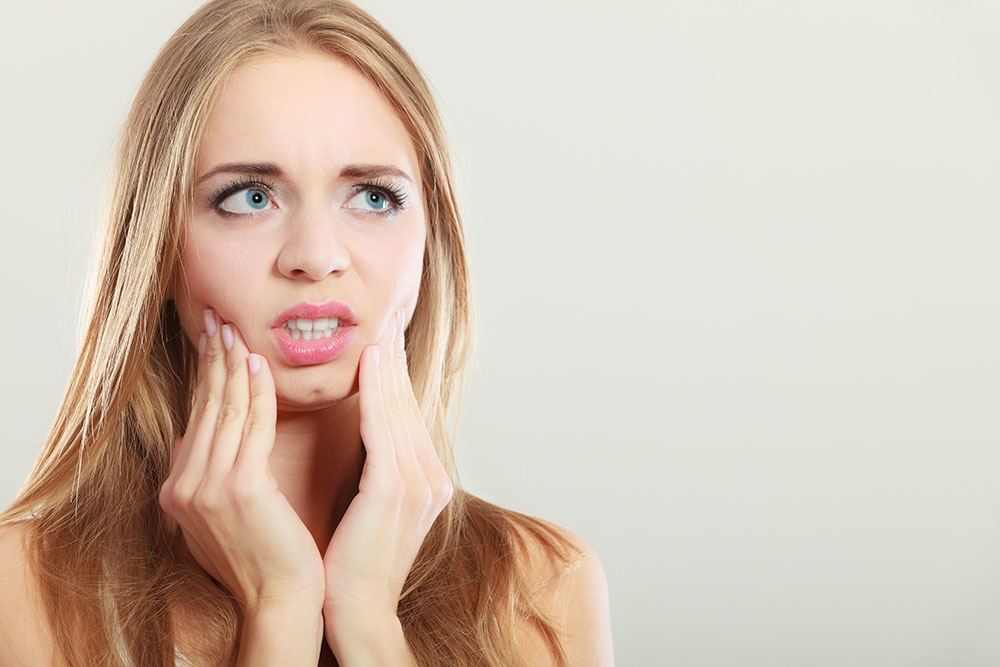 It is well known that the risk of developing cavities and tooth decay can be minimised with a thorough oral hygiene routine of brushing, flossing and regular visits to the dentist. However, despite following these guidelines, there are certain factors which can increase the likelihood of suffering from these problems:
 Gingivitis is the medical term for gum disease. A dentist will normally detect this ailment by examining the condition of your gums. If they are swollen, painful or receding from your teeth, you may be suffering from gum disease.
 Tooth nerve pain and sensitivity can affect your quality of life, restricting the foods that you are able to eat and the activities that you can enjoy. Inside the mouth, each tooth is covered in a hard, protective coating called enamel. Certain factors can damage this enamel coating, causing it to wear away and reveal the soft tissue beneath. This leaves the teeth much more open to external elements, causing sensitivity and pain.
 From the very first few days after birth it is time to take care of an infant?s oral care even though there are no teeth as yet. Bacteria will still grow on leftover food and drink particles so it is important to keep the mouth and gums clean. Cleaning is quick and easy and should be done after every feeding as part of the daily routine.