
Scientists Suggest Possible Links Between Periodontitis And Cirrhosis
Category: General | Published: 13 July 2017 13:07
 Periodontitis is a severe inflammatory gum disease, often resulting in tooth loss. Recent studies suggest that this condition may increase the risk of developing other serious health conditions, including cirrhosis of the liver.
- Cirrhosis causes 1-2% of all deaths.
- In a study of patients with cirrhosis, there was a link between mortality and those suffering from severe gum disease.
- Scientists advise to protect your smile and your health by brushing your teeth, flossing and visiting your dentist regularly.
This study demonstrates the association between gum disease and risk of death in patients with liver disease. Read the full story here: http://www.medicalnewstoday.com/releases/317063.php
 Brushing, flossing and regular check-ups with your dentist are essential ways to protect your smile. However, it is also important to remember that consuming sugar causes bacteria in the mouth to multiply and produce acid, which damages the enamel coating of the teeth. Saliva helps to get rid of excess sugar and acid.
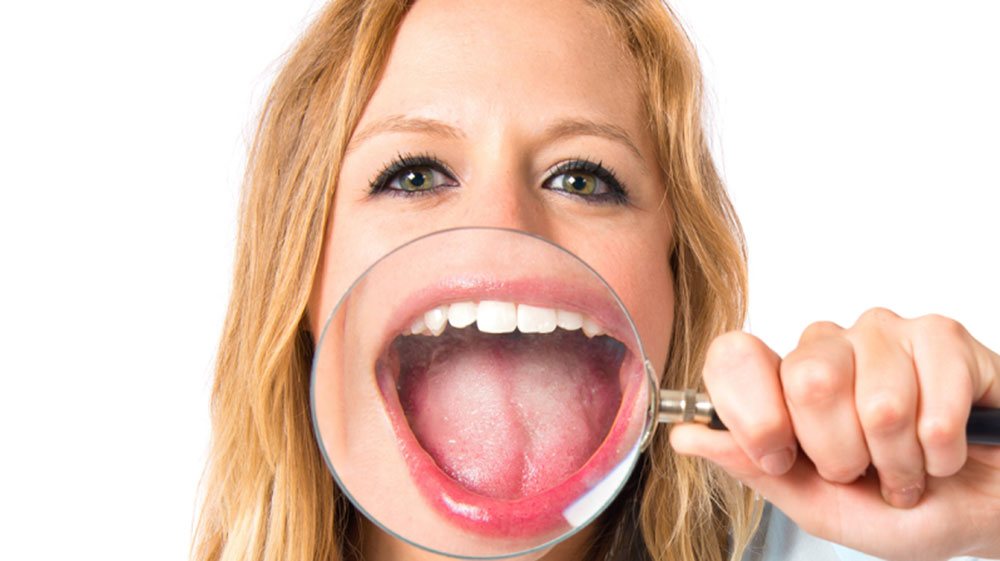 Of itself, leukoplakia is not a serious condition and will usually clear up in a few days but this is not always the case and treatment by a dentist may be required. The symptoms are plaque-like white or grey patches that can appear on the cheek linings, gums, tongue and the bottom of the mouth. Leukoplakia is strongly associated with smoking but anything which irritates the mouth and tongue can contribute to the condition. These can include:
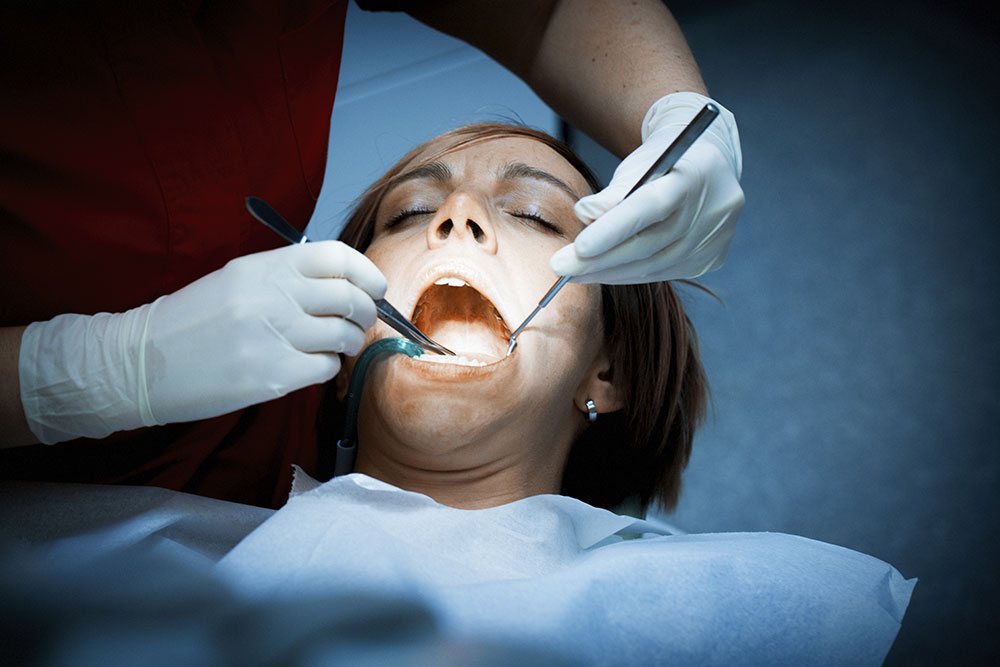 New technology could make visiting the dentist less scary. Up to 10% of dentists in Europe are now using lasers to prepare cavities and both patients and dentists prefer this new method. Experiments are also being carried out in the fields of stem cell research, nanotechnology and remineralization of teeth.
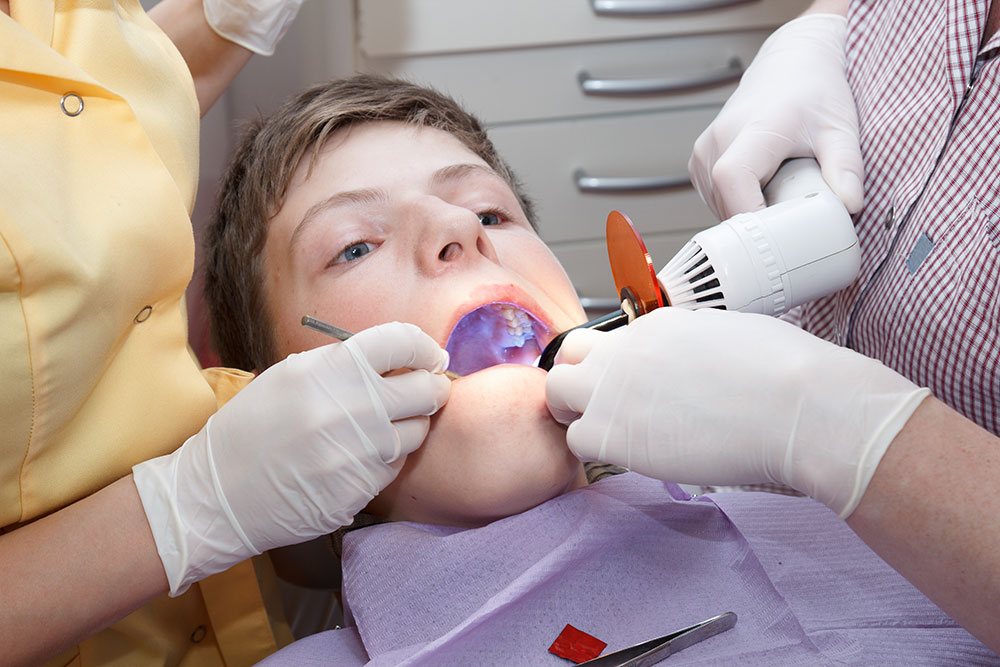 Many of us loathe trips to the dentist due to a fear of drills and similar tools used to treat cavities. However, a new laser technology may soon change the ways in which a dental professional cares for our teeth and ensures a lasting smile.
 The modern dentist enables us to maintain a healthy set of teeth and to enjoy a cutting-edge smile. However, humans may have been concerned about oral hygiene for millennia. A preserved set of teeth has recently been dated to no less than 13,000 years ago. There were signs of surface modifications as well as the presence of plant fibers and tar. Could these have possibly been used to treat an underlying condition? What do the experts think?
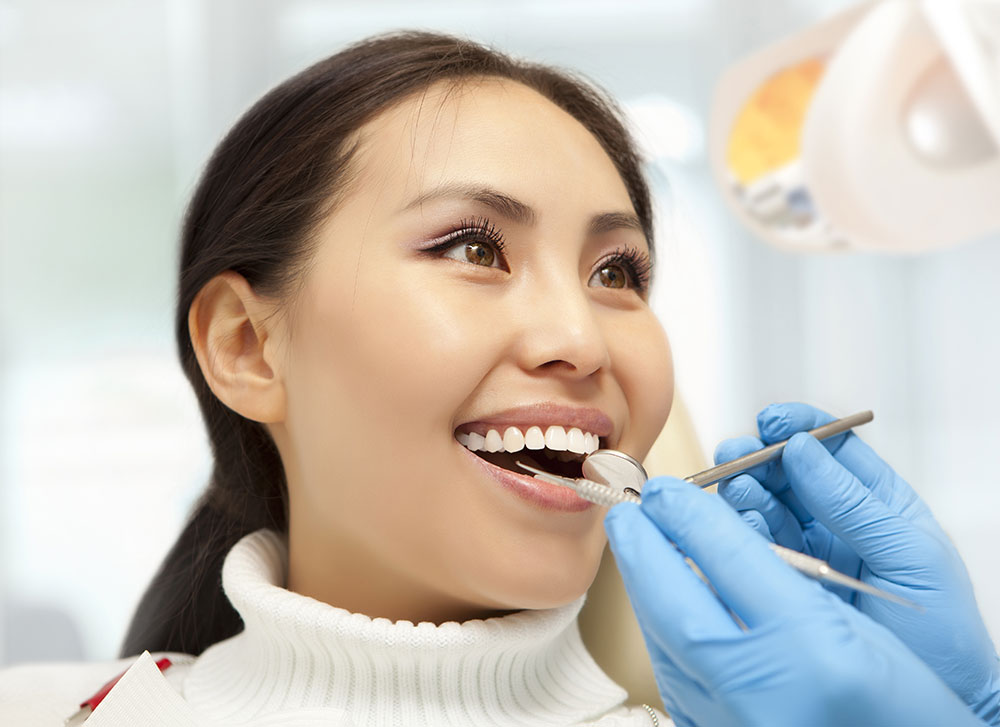 Menopause can cause a wide range of distressing symptoms, including some dental health ailments such as gum disease and tooth loss. But luckily, some studies have shown a link between hormone replacement therapy and improved dental health.
 A tooth abscess is an unpleasant dental condition that can interfere with daily habits like eating and chewing, so it's important to be wary of them if you want to protect your smile.
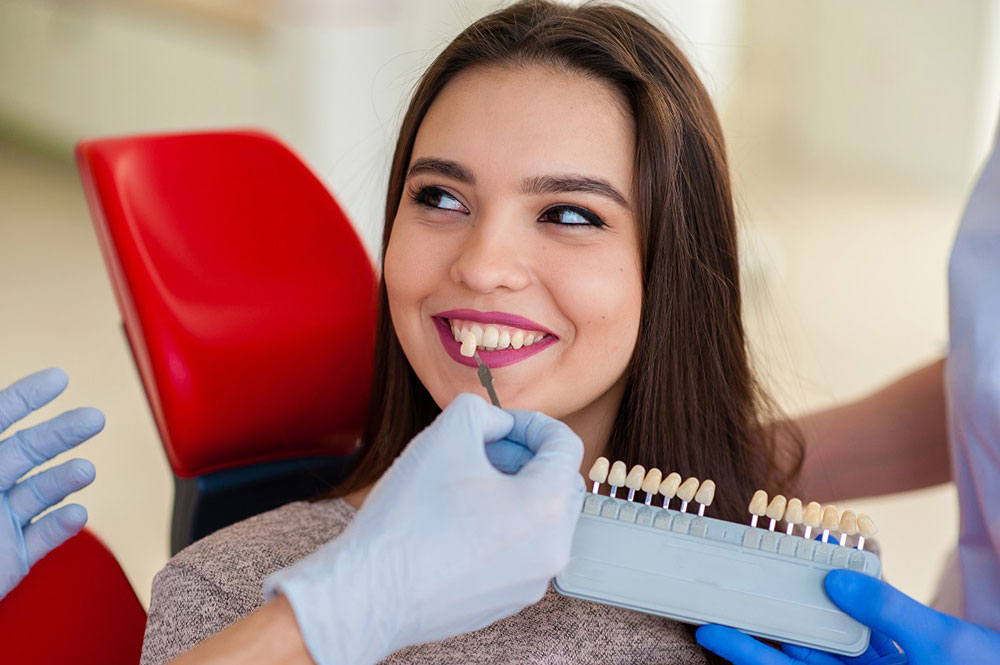 Dental implants are an excellent way to replace missing teeth so you can still have that beautiful smile. It's important to follow your dentist's instructions after having an implant in order to keep the area clean and to allow the site to heal.
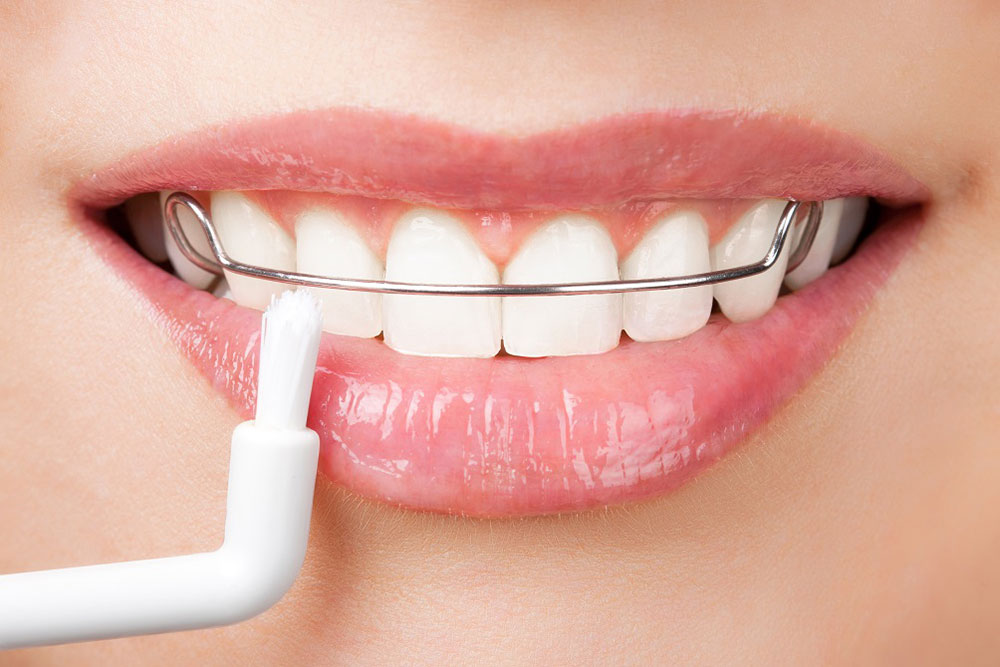 Getting braces is the best way of repairing crooked teeth, treating crowded teeth and maintaining a natural smile that will last a lifetime. While it is normal for teeth to shift a bit as they settle in position, excess shifting could mean more treatment is needed.