Before/After work appointments available

Chessington Dental Practice Blog

Why You Should Get Dental Implants

undefined

According to research studies, more than 5 million people receive dental implants every year across the globe. So, why are dental implants so popular? Here’s what you should know.

Key takeaways:

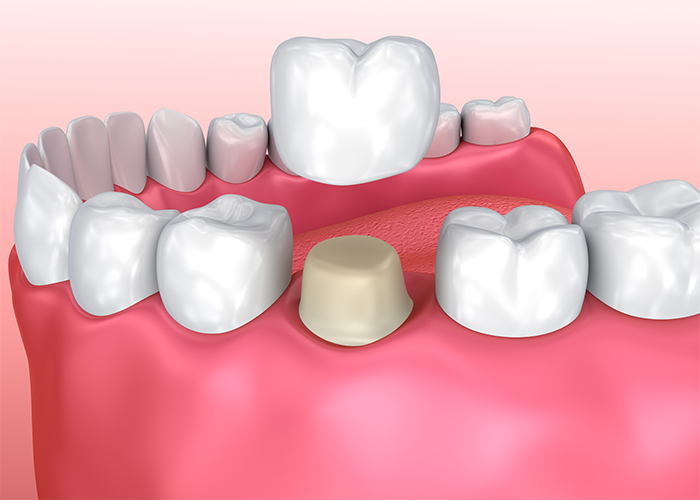
  • A dental implant consists of a post that is embedded in your jawbone, topped by a dental crown -- to create a new artificial tooth.
  • Dental implants are durable. Your implant will last you a lifetime and save you money required for adjustments.
  • Dental implants are versatile. They can be used to replace several missing teeth by supporting a dental bridge.
  • Dental implants help prevent bone loss caused by tooth loss.
  • Dental implants look, feel and function just like natural teeth

Visit your dentist to see whether dental implants would be the right fit for you.

Read more at https://yourdentalhealthresource.com/dental-implants-can-restore-your-smile/

How Dental Implants Can Restore Your Smile

undefined

Dental implants are a great way to replace missing teeth. A dental crown is attached to a post which is permanently implanted into the jaw.

Key takeaways:

  • Dental implants are secure and permanent.
  • Implants are versatile and can even support a dental bridge to replace several missing teeth.
  • Dental implants maintain facial structure as they help preserve the bone in the jaw.

Talk to your dentist if you would like to know more about dental implants.

"You don’t have to hide your smile or settle for dentures—ask your dentist about your dental implant options..."

More:
https://yourdentalhealthresource.com/dental-implants-can-restore-your-smile/

Need to Know: Untreated TMJ Disorder

undefined

If the jaw or temporomandibular joint don't work correctly, it can create discomfort and a range of other problems. It is known as TMJ disorder.

Key takeaways:

  • Cartilage can deteriorate in people diagnosed with TMJ disorder and symptoms can worsen over time.
  • TMJ may be associated with tinnitus, headaches and dizziness.
  • Teeth-grinding is often linked with TMJ and this can damage teeth and place further stress on the joint.

A dentist can assess issues with the jaw and help formulate a treatment plan.
"Chronic pain can get worse over time when TMJ isn’t treated..."
More:
https://yourdentalhealthresource.com/the-consequences-of-untreated-tmj/

Comparing At-Home And In-Office Teeth Whitening Treatments

undefined

Over time, our teeth can become discoloured and lose their natural brightness. To help with this, you can choose between at-home and in-office whitening treatments.

Key takeaways:

  • At-home kits may seem convenient, but they take longer to whiten your teeth. In-office treatments can show results in a matter of hours -- brightening your smile much more effectively.
  • It’s safer to get your teeth whitened by a dentist, who’ll make sure your enamel is strong enough.
  • Some at-home kits can leave you with unevenly discoloured teeth.

For the best results, always choose a dentist to brighten your smile.

Read the full article here: https://yourdentalhealthresource.com/teeth-whitening-is-the-perfect-choice-for-your-wedding-day/

How Your General Health Affects Your Dental Health

young-woman-with-crooked-teeth_0_o.jpg
Certain medical conditions can impact your teeth, gums, and oral health. Your general health affects your dental health.

Key takeaways:

  • Pregnancy and diabetes can raise the risk of gum disease.
  • Oral infections are more likely if you are receiving cancer treatment or a compromised immune system.
  • Cognitive disorders can affect memory and the ability to carry out tasks like brushing teeth.

If you are pregnant or have a medical condition, remember to schedule regular appointments with your dentist.

"Increasing evidence is showing that conditions in the body can actually affect your smile, and vice versa."

More:
https://yourdentalhealthresource.com/conditions-that-may-be-linked-to-your-dental-health/

Foods to Eat and Avoid With New Dentures

undefined

Dentures are functional replacements for missing teeth. When you first have dentures, your dentist can advise you on the best foods to eat while you adjust to them.

Key takeaways:

  • Although designed to help you chew food better, you should stick to soft foods when you first have dentures.
  • Hard foods such as tough meats and sticky foods like candy are best avoided while you get used to dentures.
  • Your dentist will help maintain your dentures, allowing you to comfortably chew your favorite foods.

"If you’re learning to eat with dentures, don’t let the adjustment period discourage you. Soon, you’ll be eating all the foods you were able to enjoy with your natural teeth, and you’ll also enjoy increased confidence of being able to smile without worry!"

Read the full story here
https://yourdentalhealthresource.com/what-to-eat-when-learning-to-eat-with-dentures/

Causes And Treatment Of TMJ

undefined

TMJ (temporomandibular joint disorder) is a condition that affects the jaw joint and that can have a significant impact on quality of life. These are the main causes and treatment options available for this disorder.

Key takeaways:

  • TMJ can be caused by habits like the excessive use of chewing gum; grinding your teeth during sleep can also cause TMJ.
  • Chronic stress and underlying medical or oral conditions can cause this disorder.
  • Treatment options range from stress management techniques to surgical solutions and the use of oral appliances.

Your dentist can diagnose TMJ and recommend the most beneficial treatment.
Read the full story here: https://yourdentalhealthresource.com/how-does-a-dentist-treat-tmj/

Impacted Tooth Can Cause Dental Problems

undefined


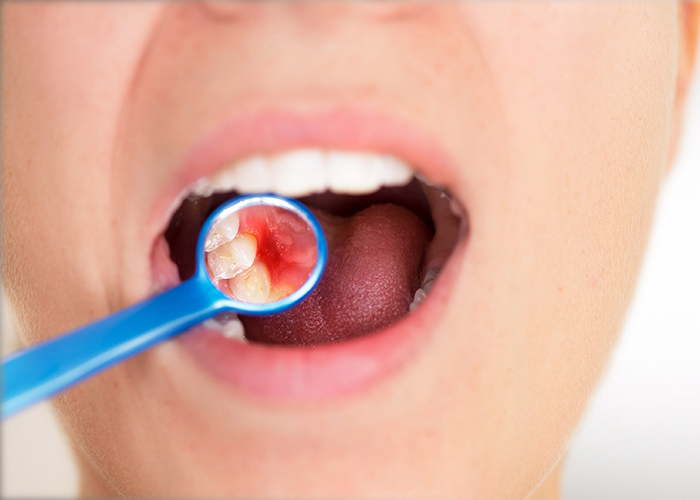
It is not just wisdom teeth that can become impacted and cause dental problems. Any tooth can have difficulty in emerging through the gums -- with the result it will become impacted and can have serious dental consequences.

Problems caused by an impacted tooth:

  • Infections of the gum from bacterial build-up
  • Crooked, crowded or misaligned teeth
  • Damaged tooth roots

An impacted tooth can be difficult to identify. It is diagnosed by a dentist who can determine the best method of treatment for your specific situation.
More detailed information can be found at https://yourdentalhealthresource.com/what-are-the-health-risks-of-an-impacted-tooth/.


How Your Dentist Is Curbing COVID-19

undefined

To help prevent the spread of the coronavirus and to protect their health and that of their patients, dentists are taking extra precautions at their practices. Below are some of them.

Key takeaways:

• All patients must wear face masks and also be screened before the consultation.
• Dentists are using personal protective equipment (PPE) such as masks, face shields, gowns and gloves.
• Dentists are encouraging their patients to maintain social distancing as well as offering virtual consultations.

Talk to your dentist about what can be done to keep your teeth healthy during these trying times.

For more, read here https://yourdentalhealthresource.com/how-dentists-are-ensuring-safe-environments-during-covid/

Are You Due for a Professional Teeth Clean?

undefined

Professional teeth cleaning is a gift to your oral health, as you’ll have stains and plaque removed -- the basis of healthy teeth and gums. There are some signs to be aware of if you have skipped a regular cleaning.

Key takeaways:

- Puffy, red gums can indicate early signs of gum disease.
- Sensitive teeth can suggest damaged tooth enamel.
- Bad breath can be due to a build-up of plaque.

Your dentist may recommend that professional teeth cleaning is carried out every six months.
"teeth cleaning helps remove the plaque that builds up in your oral cavity to prevent disease and protect both the health and appearance of your smile!"

Read more:
https://yourdentalhealthresource.com/3-signs-you-are-due-for-a-teeth-cleaning/

Newer posts →’ Blog - Home ← Older posts
Teoxane Nobel Biocare Osstem Zoom! Whitening Enlighten Inman Aligner Invisalign