Before/After work appointments available

Chessington Dental Practice Blog

Benefits of Mini Dental Implants

undefined

When replacing damaged or missing teeth a dentist will usually have three options available: dentures, dental implants or mini dental implants.

Dentures require special care and maintenance, and some people are not suitable candidates for dental implants for a number of reasons such as lack of jawbone density. This leaves mini implants, which have advantages and benefits including:

  • Lack of bone density is not an issue
  • Fitting and installing can be done quickly and easily
  • More cost-effective than dentures

Mini dental implants are permanent fixtures and are a viable option for those who do not qualify for traditional implants or who do not wish to wear and take care of dentures.

Find out more at https://yourdentalhealthresource.com/when-are-mini-dental-implants-the-best-option/

How to Protect Your Temporary Crown from Damage

undefined

A dentist will often use a temporary crown when waiting for a permanent version that can be affixed to your tooth. However, it is important to know how to care for this crown in order to avoid any unintentional damage during the interim.

Here are three takeaway points to remember:

  • Try not to chew food with the crown.
  • Avoid sticky and hard foods.
  • If you suspect that the temporary crown has become loose, consult with your dentist.

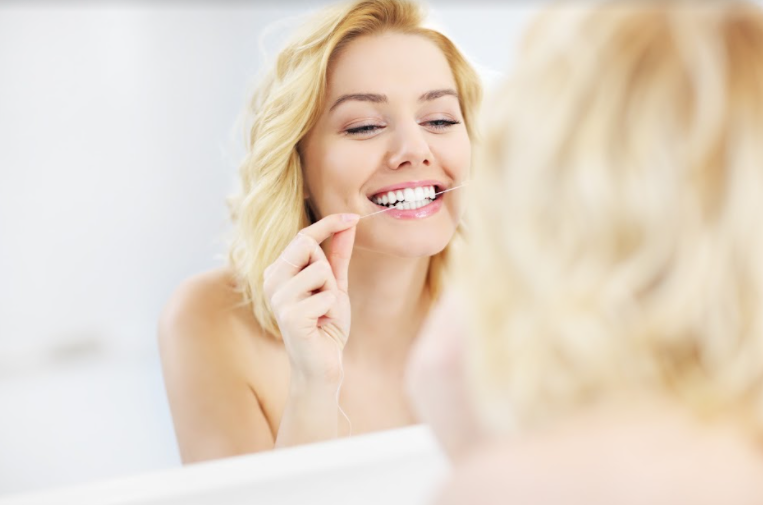
"When flossing, avoid pulling the floss down when removing it from between your teeth."

Learn more about caring for your crown here:
https://yourdentalhealthresource.com/how-to-care-for-a-temporary-crown/

Mouthwash May Reduce Coronavirus Transmission

young-woman-with-crooked-teeth_0_o.jpg

Mouthwashes, and particularly those that contain chlorhexidine, not only help keep teeth and gums clean and healthy -- but may also help reduce the transmission of coronavirus.

New research has shown that mouthwash can:

  • Significantly reduce the amount of virus in saliva
  • Reduce the risk of transmission
  • Alleviate the effects of coronavirus

It is now common practice for a dentist to insist patients use mouthwash prior to a dental appointment in order to decrease the viral load in the mouth -- to minimise the risk of transmission from patient to dentist or close contacts.

Read more about the benefits of mouthwash at https://yourdentalhealthresource.com/could-mouthwash-reduce-transmission-of-covid-19/

Advice About Enamel Erosion

young-woman-with-crooked-teeth_0_o.jpg
When the enamel on your teeth erodes, it can cause tooth sensitivity and cavities can develop. In addition, teeth will appear discoloured once the protective outer layer of enamel disappears. It's really important to maintain tooth enamel because our bodies do not replace it once it has gone.

Key takeaways:

  • Brush teeth gently with a soft bristled toothbrush in order to avoid damaging enamel and gums by aggressive brushing.
  • Reduce your sugar intake because a high sugar diet increases the risk of enamel erosion; keep hydrated with water where possible.
  • Brush twice a day and floss regularly to remove plaque and debris from your teeth.

See your dentist for regular check-ups and professional dental cleaning in order to keep your tooth enamel healthy for as long as possible. Remember, once your tooth enamel has gone, it's not going to be replaced.

Read the full article here:

https://yourdentalhealthresource.com/top-causes-of-enamel-erosion/

Who Does What At The Dental Clinic?

undefined

In addition to dentists and orthodontists, dental clinics employ other staff, like assistants and hygienists. Here’s some information on what each of them do.

Key takeaways:

  • Dental assistants have a varied role that includes a mix of admin tasks, reception work, and room or equipment preparation.
  • Assistants may also assist the dentist during some procedures.
  • Hygienists work directly with patients in consultations, cleaning teeth, examining gums, plus taking X-rays and interpreting them.

Every team member plays an important role making sure dental treatments keep your teeth and gums in top condition.

Read the full story here: https://yourdentalhealthresource.com/whats-the-difference-between-a-dental-hygienist-and-dental-assistant/

How Gum Health Affects Your General Health

undefined

Healthy gums play an important role in securing your teeth and protecting their sensitive roots. Gum disease is one of the main reasons for tooth loss in adults. Gum health is also linked with your general health.

Key takeaways:

  •  People with gum disease are more likely to have a stroke or heart attack.
  •  Gum disease is more difficult to treat if you have diabetes -- and the diabetes can be harder to control, too.
  •  Poor gum health can also increase the risk of respiratory problems as oral bacteria may reach the respiratory tract or lungs.

Gum disease is reversible if caught early. See your dentist if you're are experiencing sore or inflamed gums.
"...whether it be chronic bad breath, bleeding gums, or a bad taste in your mouth that won’t go away, follow up with your dentist to explore treatment options as soon as possible!"

More:
https://yourdentalhealthresource.com/how-does-your-periodontal-health-affect-the-rest-of-your-body/

How TMJ Dentistry Can Help Stop Teeth Grinding

young-woman-with-crooked-teeth_0_o.jpg

Temporomandibular joint (TMJ) disorders are one of the primary causes of teeth grinding. Bruxism is a TMJ disorder that involves grinding the teeth, which can cause jaw pain, tooth sensitivity, headaches and earaches. It’s important to discuss these symptoms with your dentist.

Key takeaways:

  • TMJ dentistry focuses on stopping the grinding, reducing pain, and preventing further damage to your teeth.
  • Mouthguards are a common treatment that may be recommended by your dentist, and are custom-made to help reduce bruxism and its impact.
  • Your dentist may also recommend a splint, which depending on your symptoms may fit over the top or bottom row of your teeth.

"A TMJ dentist can help if your bruxism is caused by a joint issue. These dental specialists aim to reduce pain, prevent long-lasting damage to the teeth and to stop grinding and clenching if possible."

Read the full story here
https://yourdentalhealthresource.com/grind-clench-teeth-tmj-dentistry-can-help/

Is Chewing Tobacco Safer Compared to Cigarettes?

undefined

It’s common knowledge that smoking cigarettes can cause serious damage to our teeth and gums, as well as cancer. This is why some consumers believe that chewing tobacco may represent a safer alternative.

However, smokeless tobacco will also cause serious health problems. Here are some dangers associated with chewing tobacco:

  • Increases the risk of oral cancer.
  • Increases the risk of tooth decay.
  • Leads to receding gums and tooth loss over time.

"The verdict is that smoking and chewing tobacco are both bad for your oral health."
This article provides more information:
https://yourdentalhealthresource.com/is-smokeless-tobacco-less-harmful-to-your-oral-health/

Not All Braces Are Created Equal – And Here’s Why

undefined

Braces have a reputation for being bothersome. But thanks to modern orthodontics, you now have more convenient options to get your teeth straightened.

Key takeaways:

  • Damon braces use self-ligating brackets that apply gentle pressure and cause less discomfort than metal braces.
  • No elastic bands are needed, so these braces are more discreet than conventional options.
  • Because they have no rubber bands, Damon braces are easy to clean.

If you have crooked or crowded teeth, ask your dentist about the treatment options available. Damon braces could be one of them.

Read the full story here: https://yourdentalhealthresource.com/are-damon-braces-a-good-option-for-your-child/

Need to Know: Dental Implants

young-woman-with-crooked-teeth_0_o.jpg

Dental implants are artificial teeth created to replace missing teeth. The first part of the procedure involves a ceramic or titanium screw being inserted into the jawbone. Once the implant has healed, your dentist will use a special connector to fix a dental crown onto the implant post.
A dental implant looks and functions just like a natural tooth -- and allows you to enjoy your favourite foods, and smiling, again without embarrassment.

Key takeaways:

  • A dental implant provides a permanent and secure replacement for a missing tooth.
  • Your dentist will check that you have enough jawbone to support a dental implant.\
  • Your dentist will advise you to quit smoking, if necessary, as tobacco use can increase the risk of health complications and slow the healing process.

Dental implants are a popular procedure that can restore your smile and confidence. See your dentist for a consultation to find out more about dental implants.

"Dental implants allow you to be confident about your smile with a lifelong tooth replacement."
Read the full article here:
https://yourdentalhealthresource.com/your-top-five-dental-implant-questions-answered/

Newer posts →’ Blog - Home ← Older posts
Teoxane Nobel Biocare Osstem Zoom! Whitening Enlighten Inman Aligner Invisalign