
What's The Link Between Hormone Replacement Therapy And Dental Health?
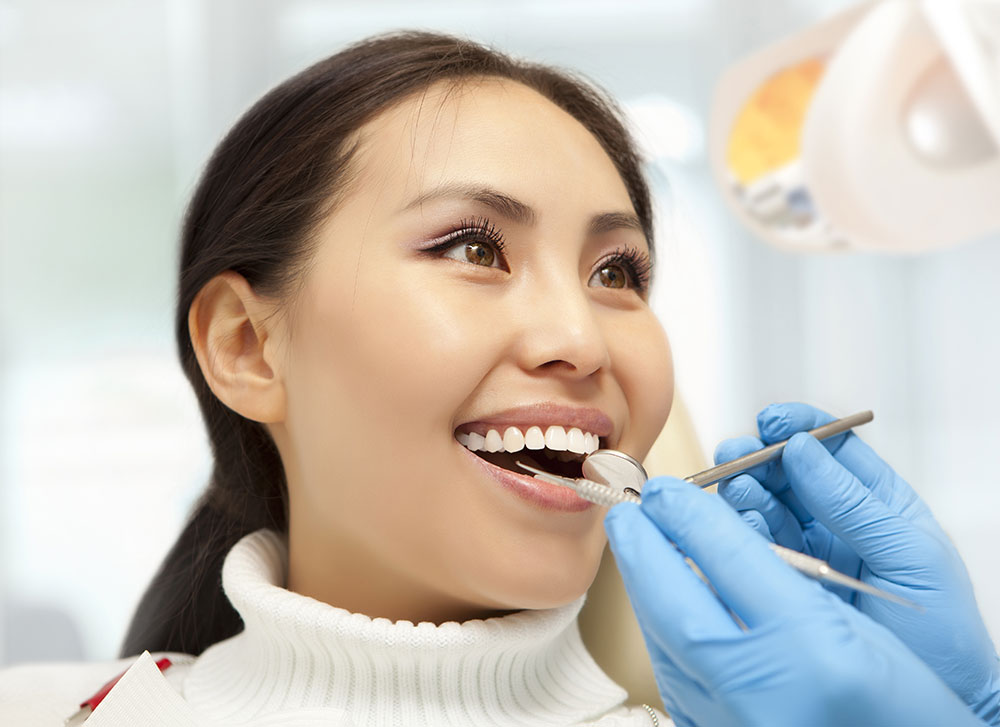 Menopause can cause a wide range of distressing symptoms, including some dental health ailments such as gum disease and tooth loss. But luckily, some studies have shown a link between hormone replacement therapy and improved dental health.
Key takeaways:
- Gum disease, loose teeth, inflammation, dry mouth, and jaw bone pain are common symptoms experienced by women undergoing menopause
- Hormone replacement therapy was found to provide relief to women suffering from gum disease, and in some cases it even helped prevent the development of this condition
- The effectiveness of HRT in relieving gum disease symptoms is greatly improved when good oral hygiene habits are maintained
Hormone replacement therapy is not a substitute for dental hygiene. If you are going through menopause and experience dental health issues, speaking to your dentist is your best bet when it comes to taking care of your smile.
Read the full story here: https://www.dentalhealth.org/news/details/957
 A tooth abscess is an unpleasant dental condition that can interfere with daily habits like eating and chewing, so it's important to be wary of them if you want to protect your smile.
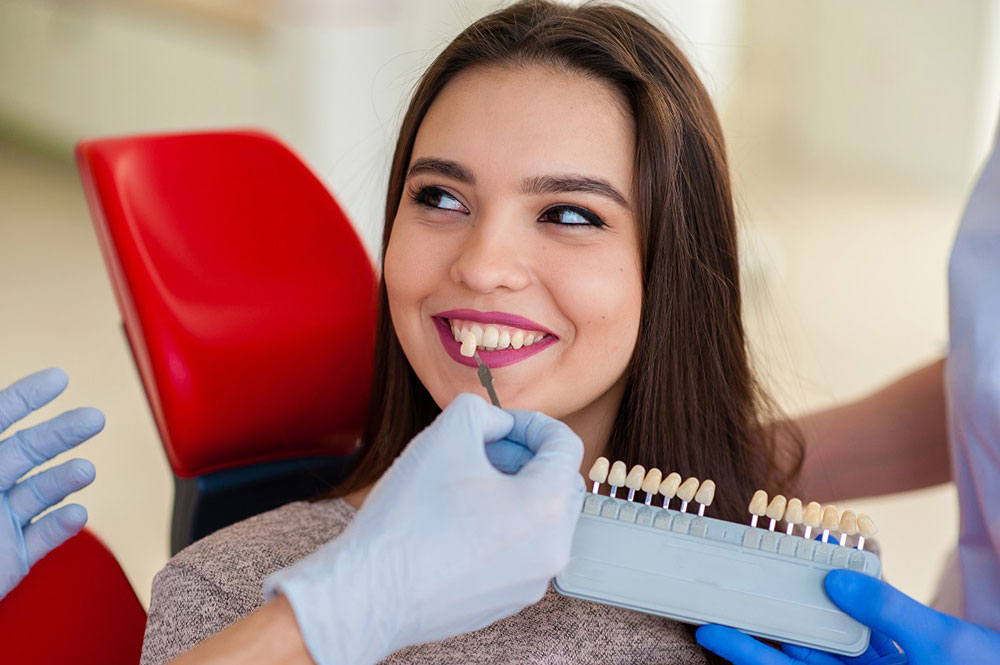 Dental implants are an excellent way to replace missing teeth so you can still have that beautiful smile. It's important to follow your dentist's instructions after having an implant in order to keep the area clean and to allow the site to heal.
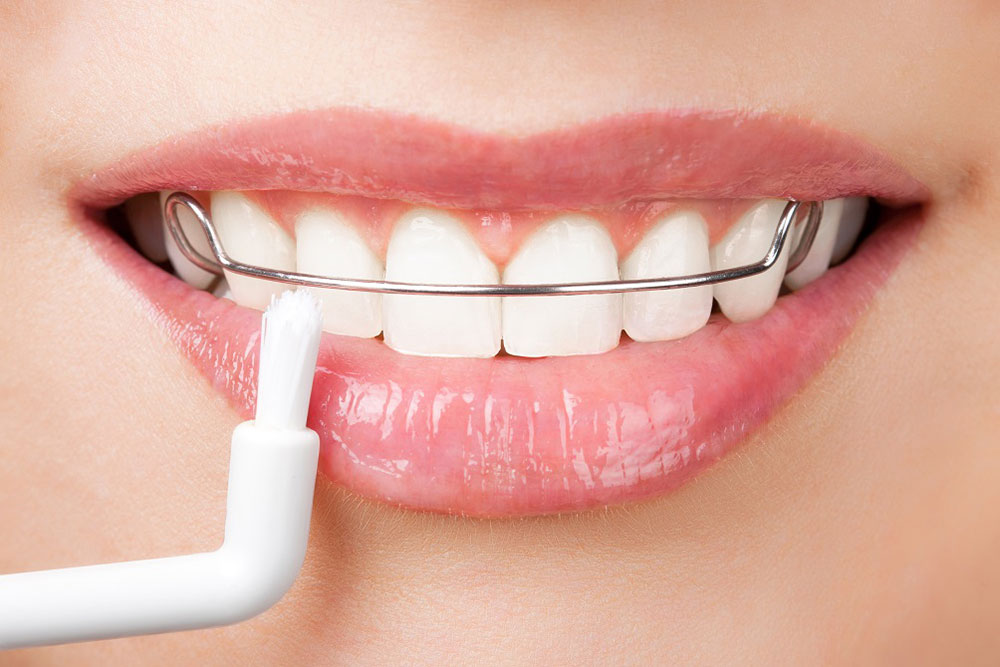 Getting braces is the best way of repairing crooked teeth, treating crowded teeth and maintaining a natural smile that will last a lifetime. While it is normal for teeth to shift a bit as they settle in position, excess shifting could mean more treatment is needed.
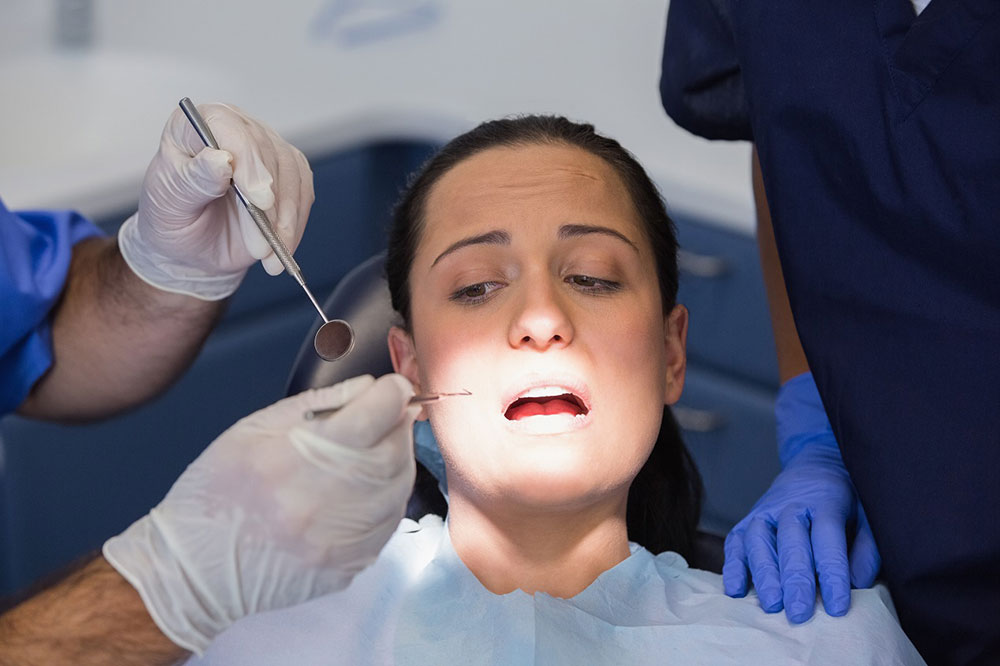 A beautiful smile begins with healthy teeth and gums but for some people this can be difficult to maintain. Around 10-20% of adults in America have a significant fear of dental treatment. Researchers have been investigating the reasons around this fear and are looking at ways to improve dental care.
 In order to maintain healthy teeth and a white smile, regular trips to the dentist may not always be enough. Those who sleep for only a few hours each night are at a much higher risk of developing gingivitis (gum disease) over time. It is therefore crucial to understand the important role that sleep plays in regards to oral hygiene. Let us take a quick look at what researchers have uncovered and how these findings can be applied to our daily lives.
 Nail biting is a cause of poor dental and general health. Reasons, why people bite on their nails include stress, anxiety and not using the nail cutter. Unfortunately, victims of this bad habit are unaware of its harmful effects. Here is how nail biting is damaging your teeth and smile!
 Frequent brushing is one of the secrets to a winning smile, but the benefits of frequent brushing go beyond the aesthetic. Below we give you three reasons why you mustn't overlook your dental hygiene.
 When most of us envision a bright smile and healthy teeth, regular brushing and flossing come to mind. Although a dentist will obviously recommend such daily practices, a lesser-known fact is that a condition known as acid reflux can severely damage tooth enamel if left unchecked. Common symptoms include heartburn and the occasional upset stomach. However, this acid can also impact the teeth if it travels to the mouth.
 Gum disease, also known as gingivitis, is caused by a buildup of bacteria, which forms within a substance known as plaque. Over time this hardens to become tartar, which then begins to cause damage to teeth, gums and surrounding tissues. There are certain factors which can increase the risk of developing gum disease, such as: smoking, a poor or unbalanced diet, failure to maintain good oral hygiene, certain illnesses and stress. The following treatments may help to reverse the damage caused by gum disease, in order to restore a healthy smile: