How synthetic mucus may benefit your teeth
Category: General | Published: 24 July 2017 20:07
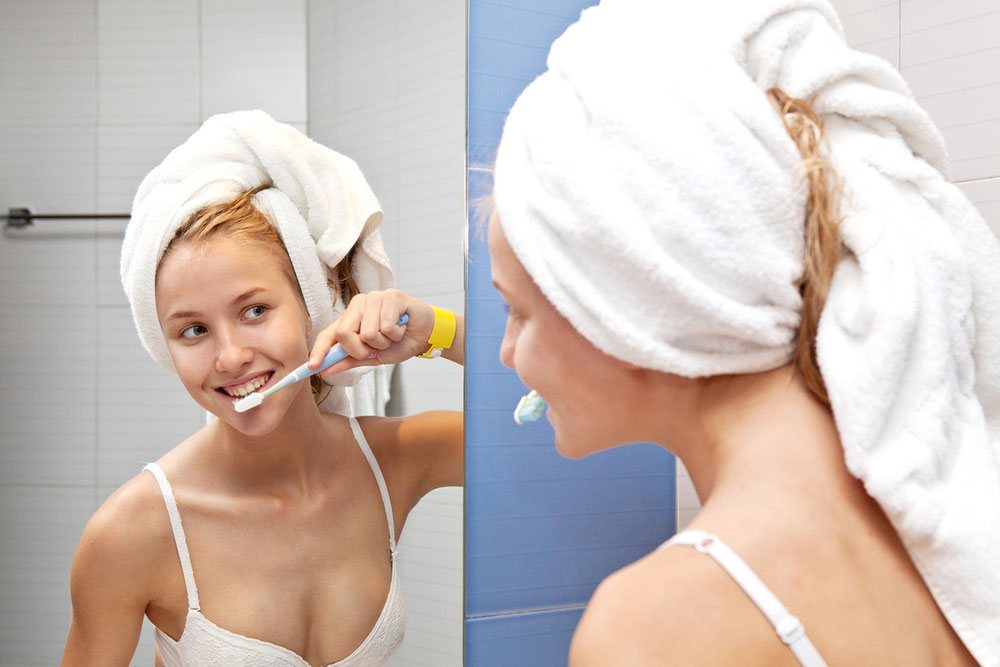 A recent study has indicated that mucus may be beneficial to oral health.
Key takeaways
- Mucus from the linings of the body such as the lungs, mouth, intestine and cervix contains protective proteins that prevent oral bacteria attaching to teeth
- In the future, synthetic mucus might be added to chewing gum and toothpaste to improve oral health
- Your dentist can advise on any concerns about your oral health
"Researchers want to develop their own form of synthetic mucus which they believe could have beneficial health effects and might even help protect against respiratory infections and stomach ulcers."
Read more at: http://www.huffingtonpost.co.uk/entry/picking-your-nose-and-eating-it-is-great-news-for-your-teeth_uk_59005bc9e4b081a5c0f8ddb5
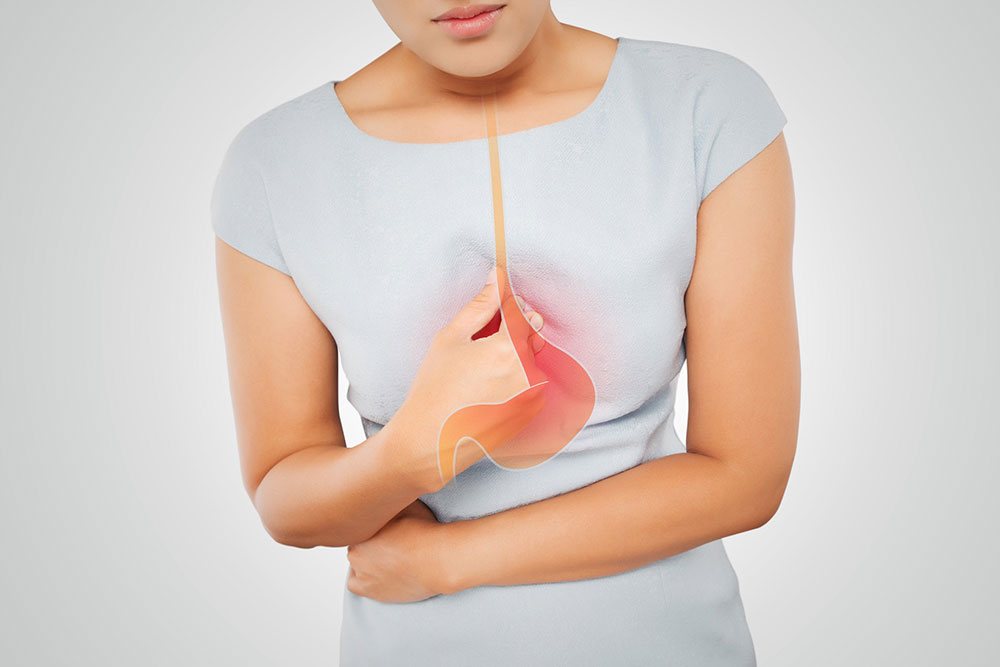 Acid reflux, also known as GERD (gastroesophageal reflux disease), can erode your protective tooth enamel. Fortunately, cosmetic dentistry can help fix existing problems and protect against future damage.
 Although grinding one's teeth can cause excess trips to the dentist and significant discomfort, many individuals from all walks of life are unaware that they are exhibiting this habit when they sleep. What are some of the potential causes of this condition?
 Periodontitis is a severe inflammatory gum disease, often resulting in tooth loss. Recent studies suggest that this condition may increase the risk of developing other serious health conditions, including cirrhosis of the liver.
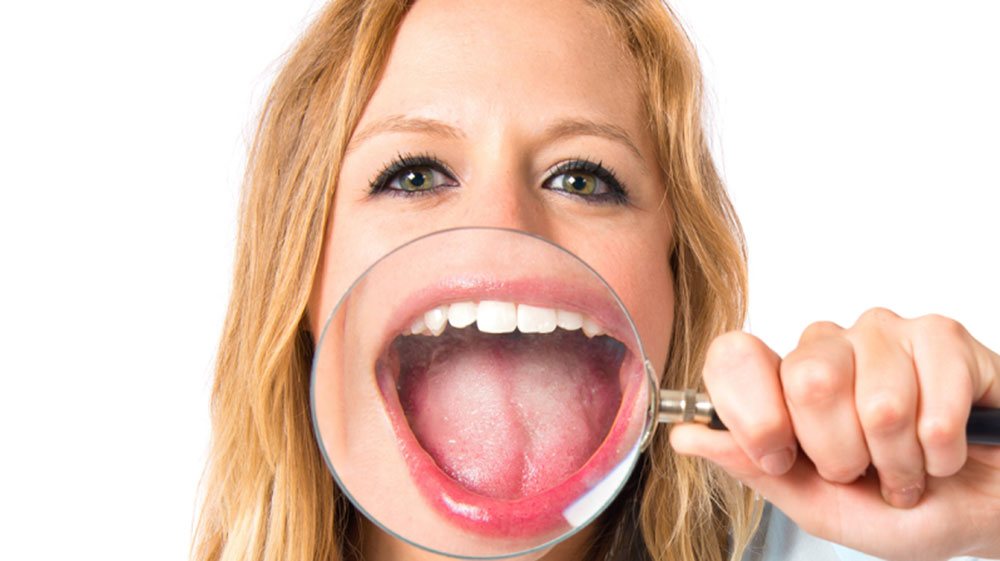 Of itself, leukoplakia is not a serious condition and will usually clear up in a few days but this is not always the case and treatment by a dentist may be required. The symptoms are plaque-like white or grey patches that can appear on the cheek linings, gums, tongue and the bottom of the mouth. Leukoplakia is strongly associated with smoking but anything which irritates the mouth and tongue can contribute to the condition. These can include:
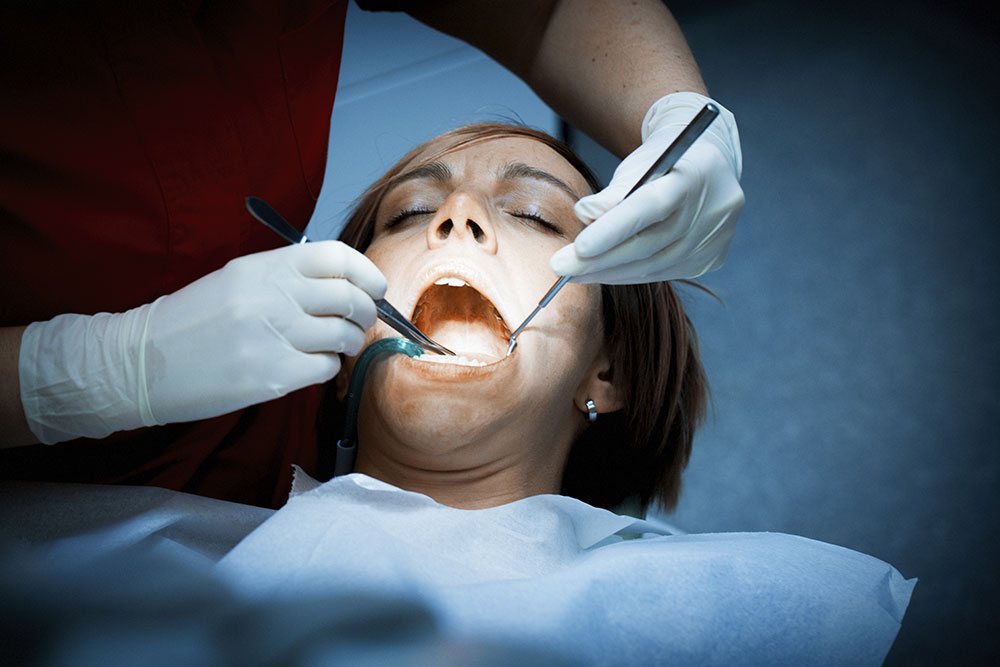 New technology could make visiting the dentist less scary. Up to 10% of dentists in Europe are now using lasers to prepare cavities and both patients and dentists prefer this new method. Experiments are also being carried out in the fields of stem cell research, nanotechnology and remineralization of teeth.
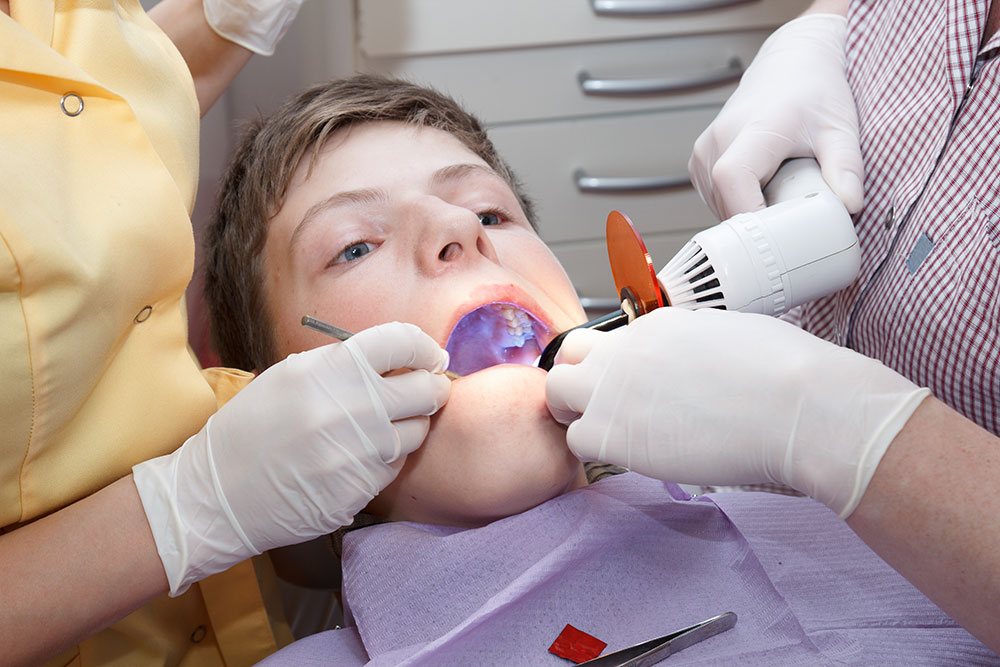 Many of us loathe trips to the dentist due to a fear of drills and similar tools used to treat cavities. However, a new laser technology may soon change the ways in which a dental professional cares for our teeth and ensures a lasting smile.
 The modern dentist enables us to maintain a healthy set of teeth and to enjoy a cutting-edge smile. However, humans may have been concerned about oral hygiene for millennia. A preserved set of teeth has recently been dated to no less than 13,000 years ago. There were signs of surface modifications as well as the presence of plant fibers and tar. Could these have possibly been used to treat an underlying condition? What do the experts think?